

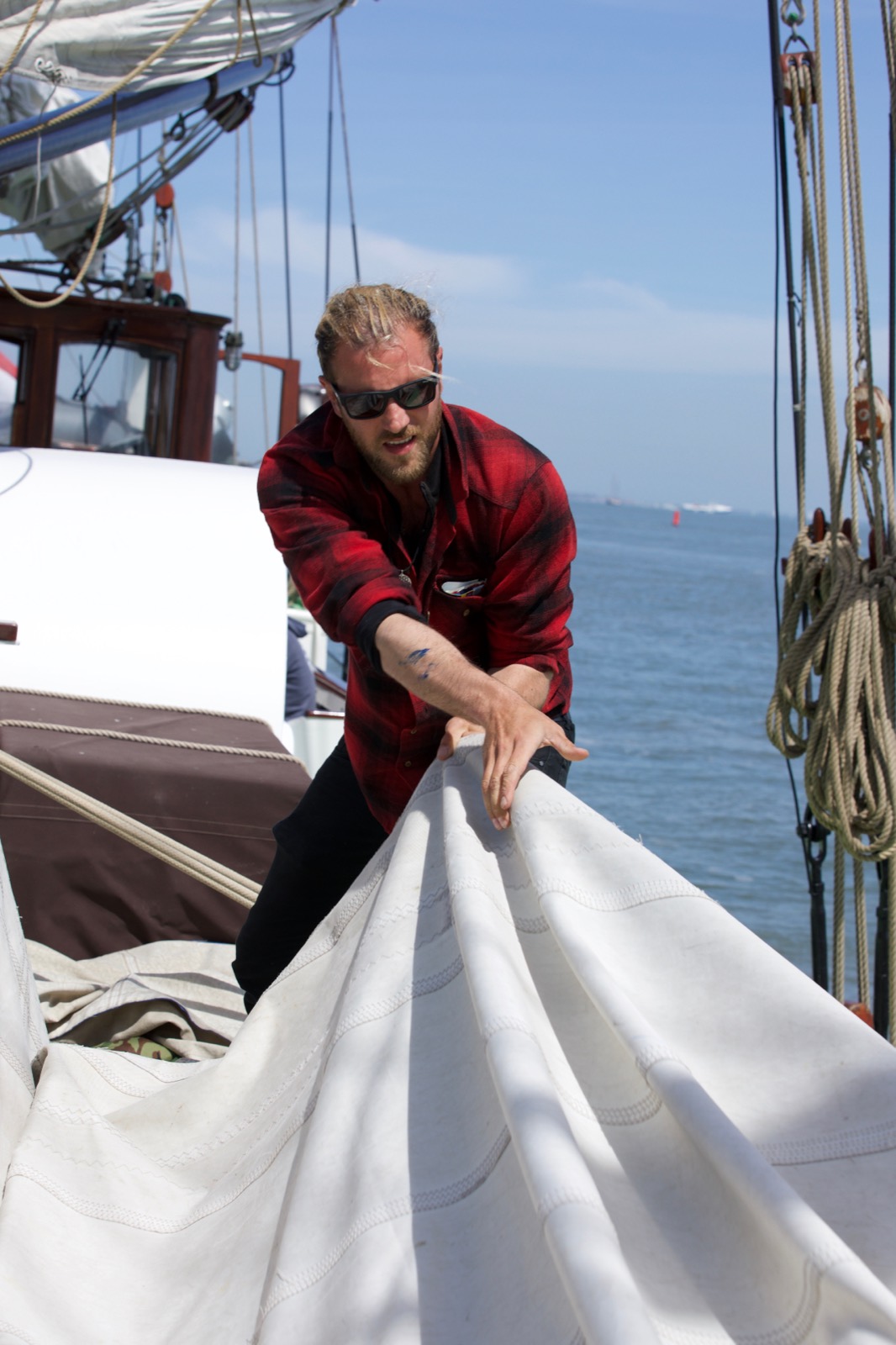
Before I became an entrepreneur and investor, I spent four years as a commercial skipper on traditional sailing ships. 40-meter, 300-ton vessels navigating the North Sea, the Wadden Sea, and coastal waters across Northern Europe.
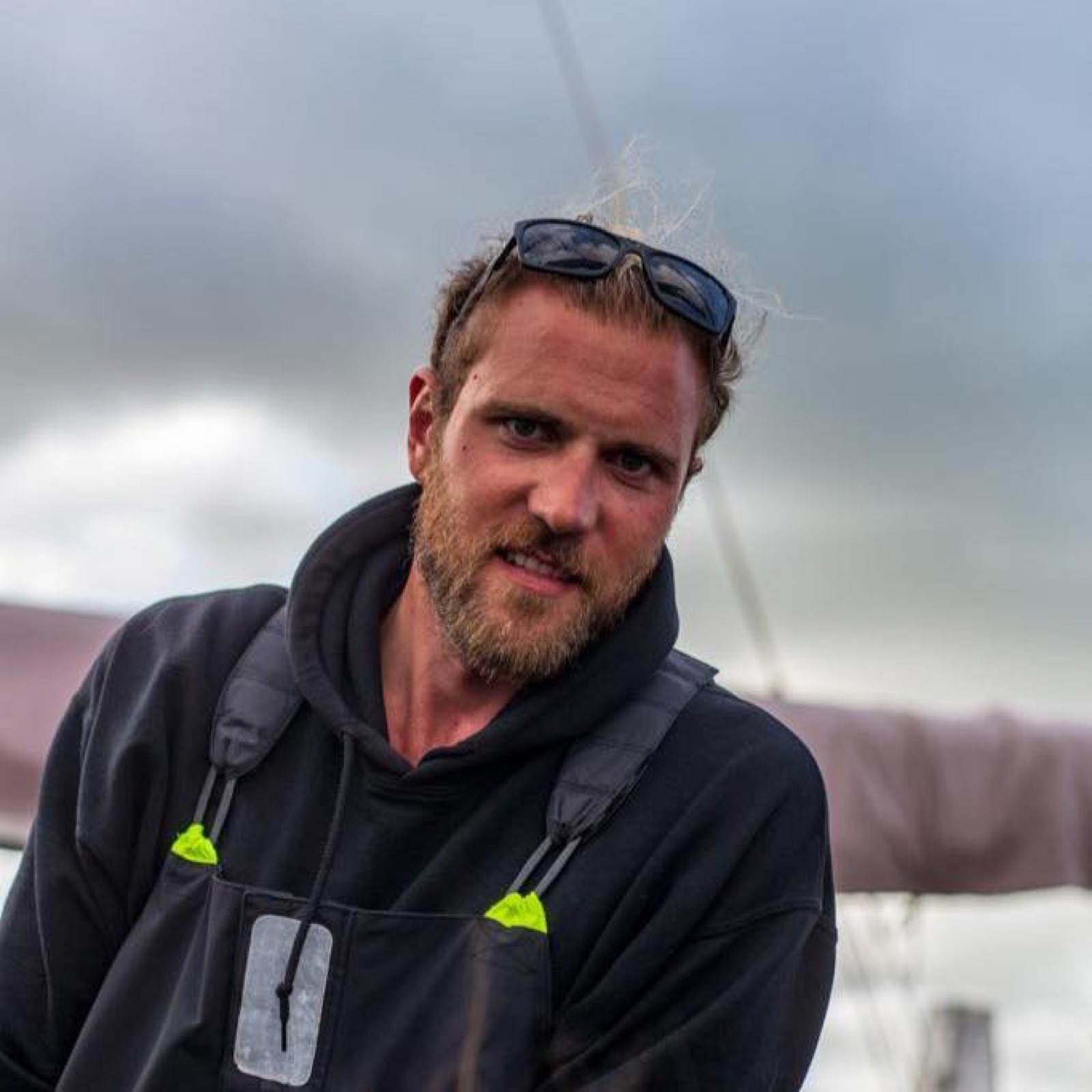
It was the most formative experience of my life. And I'm not saying that for dramatic effect. Nearly everything I know about running a business, leading people, managing risk, and staying calm under pressure, I learned on the water.
Here are the lessons that stuck.
Lesson 1: You Can't Control the Weather
This sounds obvious when you're talking about sailing. But the depth of this lesson took me years to fully appreciate.
As a skipper, you plan your route meticulously. You check the weather forecast, study the tidal charts, review the harbor approaches, brief your crew. You do everything right. And then the weather does whatever it wants. A predicted Force 5 becomes a Force 8. The tide turns earlier than expected. Fog rolls in from nowhere. A mechanical issue forces a route change.
You can't argue with a storm. You can't negotiate with the sea. You can only adapt.
Business is exactly the same. You launch a product and the market shifts. You plan a campaign and a competitor undercuts you. You hire someone great and they leave after three months. You build a revenue stream and the platform you depend on changes its terms.
The best entrepreneurs aren't the ones with the perfect plan. They're the ones who adapt fastest when the plan meets reality. Having a plan is essential, but being willing to throw it away and make a new one in real time is what separates people who survive from people who don't.
At StudioFab, I plan every project carefully. But I've learned to hold those plans loosely. Clients change their minds, inspiration strikes mid-project, new information emerges. The ability to pivot quickly, without frustration and without ego, is one of the most valuable skills I brought from the sea.
Lesson 2: Small Decisions Compound
A one-degree error in your heading seems like nothing. You can't even see the difference. But over 100 nautical miles, that one-degree error puts you 1.7 nautical miles off course. Over a longer passage, you literally end up in a different country.
Navigation taught me that precision matters, not because every individual decision is critical, but because decisions compound. A slightly wrong heading, repeated over hours and days, creates a massive deviation from where you intended to be.
In business, this principle is everywhere. Slightly underpricing your services doesn't seem like a big deal. Until 50 projects later, you realize you've left tens of thousands on the table. Saying yes to projects that aren't quite the right fit seems harmless. Until your portfolio tells a confused story and your ideal clients can't see themselves in your work. Skipping your morning routine one day is nothing. But a year of skipped routines changes who you are.
I've become obsessive about identifying which small, daily decisions actually matter. What I say yes to, how I price my work, which clients I take on, how I spend the first hour of my day, how I respond to emails. These seem small in the moment. Over a year, they define your trajectory.

Lesson 3: Your Crew Is Everything
A sailing ship is one of the most team-dependent environments on earth. Every maneuver requires coordination. Setting sail, tacking, anchoring, docking in a tight harbor with wind pushing you sideways. None of it works without a crew that trusts each other and knows their role.
As skipper, my job wasn't to do everything myself. It was to put the right people in the right positions, communicate the plan clearly, and create an environment where people could perform at their best. That meant explaining the "why" behind decisions, giving people ownership of their roles, staying calm when things went wrong (the crew takes their emotional cues from the captain), and dealing with conflicts quickly before they festered.
One weak link in a storm is dangerous. Not metaphorically. Physically dangerous. Someone who freezes on the foredeck in heavy weather, someone who doesn't follow a command because they don't understand it, someone sulking because of an unresolved tension. These situations lead to injuries or worse.
In business, the stakes are lower but the principle is identical. Your team, your partners, your collaborators, your community. They are your crew. The quality of your relationships and the trust within your team determines everything. I've seen great business ideas fail because the founding team couldn't communicate, and mediocre ideas succeed because the people involved trusted each other completely.
When I work with freelancers and small business owners at StudioFab, I try to create that same crew dynamic: clear communication, mutual respect, shared goals. A website project works best when the client and I are genuinely on the same team, not on opposite sides of a transaction.
Lesson 4: Respect the Risk
The sea will humble you. Every experienced sailor knows this. The moment you think you've got it figured out, the moment you get complacent, is the moment things go wrong.
I've been in situations where everything seemed fine and then changed rapidly. A suddenly shoaling seabed. A navigational mark that wasn't where the chart said it would be. An engine failure at the worst possible moment. Equipment that looked solid until it wasn't.
This taught me a bone-deep respect for risk that I carry into everything. In investing, it means never going all-in on any single asset, no matter how confident I am. It means keeping cash reserves. It means sizing positions based on what I can afford to lose, not what I hope to gain.
In entrepreneurship, it means not quitting your income before the new business can sustain you. It means having an emergency fund. It means building redundancy into your systems. If one revenue stream dies tomorrow, can you survive?
Overconfidence is the most dangerous thing in both sailing and business. The people who get hurt are rarely the beginners. Beginners are cautious. It's the experienced people who've had a string of successes and start believing they can't fail. That's when the sea (or the market) teaches you a lesson you won't forget.
Lesson 5: Calm Is a Superpower
When things go wrong on a ship, the crew looks at the skipper. If the skipper is panicking, the crew panics. If the skipper is calm, the crew stays calm. It's that immediate and that powerful.
I learned to project calm even when I didn't feel it. Not fake calm. Real calm, born from preparation and experience. When you've thought through the worst-case scenarios in advance, when you've drilled your emergency procedures, when you trust your crew, you can be genuinely calm in a crisis. Not because you're naive about the danger, but because you've already decided how you'll respond.
This is probably the skill that transfers most directly to business and life. In stressful meetings, difficult client conversations, market crashes and personal setbacks, the ability to stay calm, think clearly, and act deliberately is worth more than any technical skill.
I've noticed that calm is contagious. When I stay calm in a difficult conversation with a client, they calm down too. When I don't react to market volatility, my investment community stays grounded. When I approach a problem with composure instead of urgency, better solutions emerge.
Lesson 6: Maintenance Prevents Emergencies
On a ship, you maintain everything constantly. Ropes, rigging, engine, electronics, safety equipment. All of it gets regular inspection and upkeep. The reason is simple: a failure at sea can be life-threatening in a way that a failure on land usually isn't.
Boring maintenance isn't glamorous. Nobody celebrates the hours spent checking shackles and greasing winches. But those hours prevent emergencies. The catastrophic failures almost always happen to equipment that was neglected.
In business, this translates to the unsexy work that keeps things running. Keeping your books up to date. Maintaining your website. Backing up your data. Updating your contracts. Following up with past clients. Investing in relationships when you don't need anything from people. Building systems before you're overwhelmed.
Most business "emergencies" aren't surprises. They're the predictable result of deferred maintenance. The client who explodes was showing warning signs for weeks. The cash flow crisis was visible months ago. The website crash happened because nobody updated the security patches.
Do the boring maintenance. It's not exciting, but it's what professionals do.
From Sea to Business
I left the sailing life to pursue other paths, but I didn't leave these lessons behind. They're embedded in everything I do now.
When I build a website at StudioFab, I plan carefully, adapt quickly, and deliver with precision. When I manage my investment portfolio, I respect the risk, stay calm in volatility, and maintain discipline. When I build communities around Bitcoin or investing, I invest in the crew and communicate clearly. And when I sit across from someone in an Unfiltered Advice session, helping them navigate a career change, a financial mess, or just the feeling of being stuck, I draw on the same calm, direct, crew-first approach I learned at the helm.
The environment changed. The principles haven't.
If you ever get the chance to spend time on the water, whether it is a weekend sailing course or a longer voyage, I can't recommend it enough. The sea teaches things that no book, course, or mentor can replicate. It strips away everything unnecessary and shows you what actually matters: preparation, adaptability, teamwork, humility, and the courage to keep going when conditions get rough.
Read more about my sailing background and see photos from my time on the water on the Sailing page.